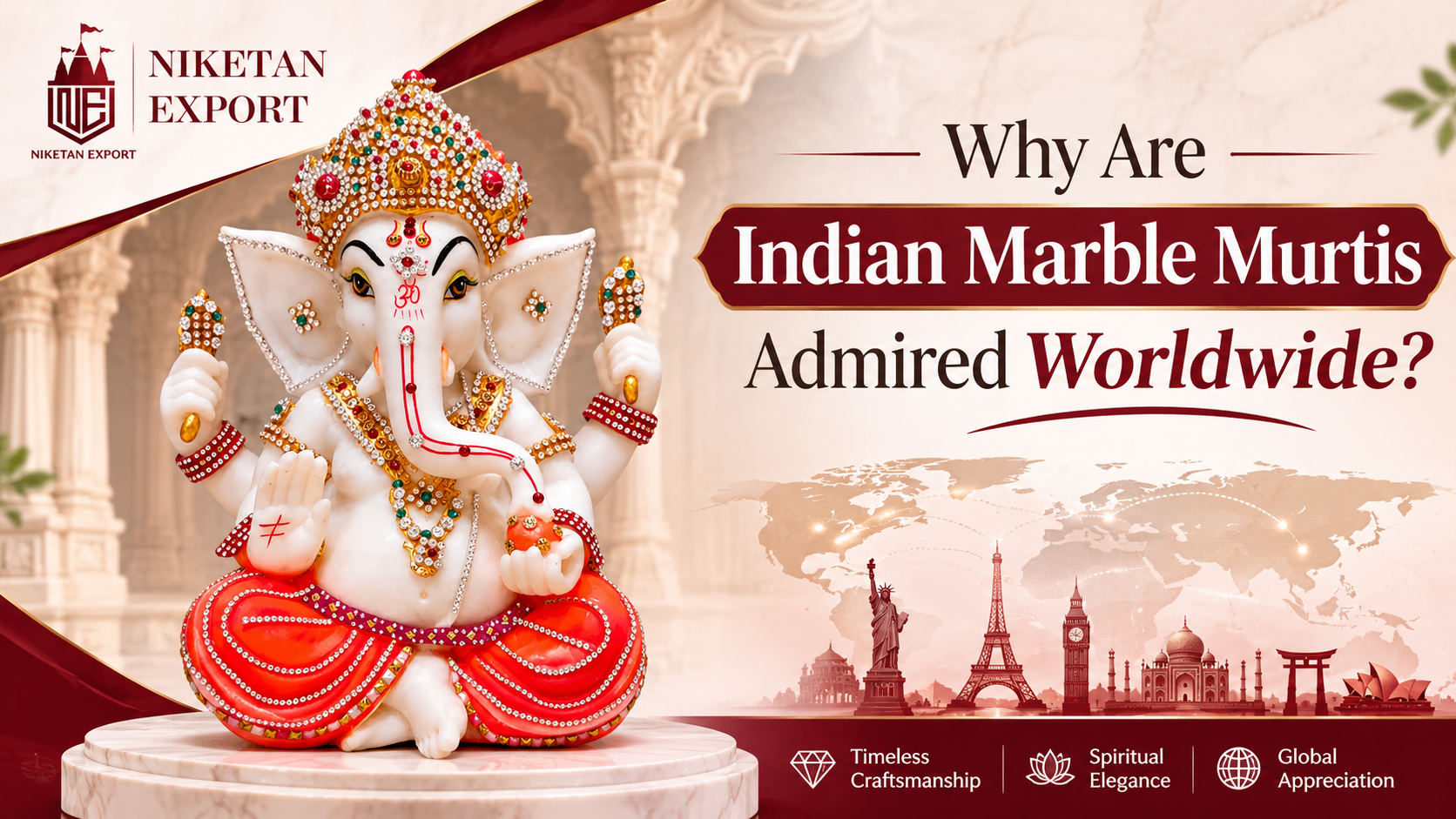
Indian marble murtis are admired across the world for their exceptional craftsmanship, spiritual significance, artistic detailing, and timeless beauty. From beautifully carved Hindu deities to traditional decorative sculptures, these creations represent India's rich cultural heritage and centuries-old stone-carving traditions. Their elegant appearance and detailed workmanship make them popular choices for temples, homes, spiritual centres, and international collections.
The growing appreciation for Indian marble craftsmanship has also increased global interest in authentic handcrafted idols. But what makes these sculptures so special, and why do people across different countries prefer Indian marble artistry? Understanding their history, materials, carving techniques, and cultural importance helps explain their worldwide recognition.
1. Rich Heritage of Traditional Indian Craftsmanship
One of the biggest reasons Indian marble murtis receive international appreciation is their connection with traditional Indian craftsmanship. Marble carving has been practised by skilled artisans for generations, with techniques passed down through families and artistic communities.
Each sculpture reflects patience, precision, and dedication. Artisans carefully transform natural stone into detailed representations of deities, spiritual figures, and traditional designs. From facial expressions to ornaments and clothing patterns, every detail contributes to the sculpture's overall appearance.
This heritage makes Indian marble sculptures more than decorative objects. They represent the country's artistic identity and traditional stone-carving knowledge.
2. Premium Marble Quality and Natural Beauty
The quality of marble plays an important role in determining the appearance and durability of a sculpture. India is known for its natural marble varieties, including Makrana marble, which is valued for its traditional association with fine stone craftsmanship.
White marble is especially popular for religious sculptures because of its clean appearance, smooth texture, and elegant finish. Depending on the design, artisans select suitable marble based on its colour, consistency, texture, and carving requirements.
A carefully selected stone allows artisans to create intricate patterns, polished surfaces, and beautiful facial details. This combination of natural material and expert workmanship gives Indian marble idols their distinctive appeal.
3. Detailed Hand Carving and Artistic Precision
Hand carving is another major factor behind the international popularity of Indian marble sculptures. Unlike ordinary mass-produced decorative products, handcrafted marble idols involve multiple stages of detailed work.
The process generally includes:
- Marble selection: Choosing suitable natural stone according to the sculpture's size and design.
- Design planning: Preparing the shape, proportions, and artistic details.
- Stone shaping: Removing unnecessary material to create the basic structure.
- Fine carving: Developing facial features, ornaments, clothing, and decorative elements.
- Polishing: Refining the surface to achieve a smooth and attractive finish.
- Final inspection: Checking the sculpture's detailing, finishing, and overall quality.
These steps require experience, artistic understanding, and technical skill. The attention given to small details makes handcrafted Indian marble murtis distinctive in international markets.
4. Spiritual Significance Across Different Cultures
Indian marble murtis are closely connected with religious traditions, devotion, and spiritual practices. Sculptures of Lord Krishna, Lord Ganesha, Goddess Lakshmi, Lord Shiva, Radha Krishna, and other deities are commonly used in temples and home prayer spaces.
Their popularity is not limited to India. Indian communities living abroad often seek traditional marble idols to maintain cultural and religious connections with their heritage.
International temples, meditation centres, and spiritual organisations also appreciate these sculptures for their traditional appearance and detailed artistic work.
For many buyers, a marble murti represents devotion, cultural identity, and a meaningful connection with Indian traditions.
5. Wide Variety of Designs and Customisation Options
Another reason Indian marble sculptures are appreciated worldwide is the variety of designs available. Buyers can choose from traditional religious idols, contemporary sculptures, decorative statues, and customised creations.
Some popular categories include:
- Marble Ganesh idols for home temples and religious spaces.
- Radha Krishna marble statues representing love and devotion.
- Marble Lakshmi Narayan murtis for traditional worship.
- Shiv Parivar sculptures featuring Lord Shiva and his family.
- Marble Buddha statues for peaceful and meditation spaces.
- Ram Darbar sculptures depicting traditional religious scenes.
Many artisans and manufacturers also provide customised marble sculptures according to specific dimensions, design references, and finishing preferences.
This flexibility makes Indian marble artistry suitable for different architectural styles, cultural requirements, and international customer preferences.
6. Why International Buyers Prefer Indian Marble Murti Manufacturers
India has developed a strong reputation for traditional marble craftsmanship, making it an important sourcing destination for international buyers.
A reliable Marble Murti Manufacturer Exporter from India can offer access to skilled artisans, traditional carving techniques, different marble varieties, and diverse sculpture designs under one roof.
International customers often consider several factors before selecting a manufacturer:
- Craftsmanship: Fine detailing and traditional carving expertise.
- Material selection: Consistent marble quality and suitable stone varieties.
- Design variety: Availability of religious, traditional, and decorative sculptures.
- Customisation: Options for specific sizes, designs, and finishing requirements.
- Quality control: Careful inspection before packaging and dispatch.
- Export experience: Knowledge of international packaging and shipping requirements.
Choosing an experienced manufacturer helps buyers find sculptures that meet their artistic expectations and practical requirements.
7. India's Growing Presence in the Global Marble Sculpture Market
Indian marble artistry has gained recognition in several international markets. Demand comes from temples, cultural organisations, interior designers, spiritual centres, and individual collectors.
Countries with established Indian communities often show interest in traditional Hindu marble idols and temple sculptures. At the same time, decorative marble statues and Buddha sculptures attract buyers looking for artistic pieces for homes, gardens, and commercial spaces.
The availability of different marble designs and skilled carving services has helped Indian manufacturers serve a wider customer base.
With increasing interest in handcrafted products and traditional artwork, Indian marble sculpture craftsmanship continues to create opportunities in international markets.
8. How to Choose the Right Indian Marble Murti Exporter?
Selecting the right supplier is important, particularly when purchasing marble sculptures from another country. Since marble idols are delicate and often involve detailed craftsmanship, buyers should evaluate both product quality and the manufacturer's reliability.
Consider these points before placing an order:
- Check product photographs: Review clear images showing the front, sides, and fine details of the sculpture.
- Understand marble quality: Ask about the marble variety, colour, texture, and material characteristics.
- Review craftsmanship: Examine facial expressions, proportions, carving precision, and surface finishing.
- Discuss custom requirements: Confirm whether the manufacturer can provide your preferred design and dimensions.
- Ask about packaging: Ensure suitable protective packaging is available for international transportation.
- Confirm export arrangements: Discuss shipping methods, delivery timelines, documentation, and applicable charges.
A transparent supplier with proper product knowledge and export experience can make the purchasing process more convenient.
9. The Timeless Appeal of Indian Marble Art
Trends in interior decoration and architecture continue to change, but traditional marble craftsmanship maintains its appeal. Natural stone sculptures combine artistic beauty, cultural significance, and long-lasting material characteristics.
Unlike many temporary decorative trends, marble idols often hold emotional and cultural value for generations. Their detailed appearance makes them suitable for traditional temples as well as modern spaces.
Indian artisans continue to balance traditional carving methods with changing customer preferences, creating sculptures that respect cultural heritage while meeting contemporary design expectations.
Conclusion
Indian marble murtis are admired worldwide because they bring together natural stone beauty, generations of craftsmanship, cultural heritage, and spiritual significance. Their detailed carving, diverse designs, and traditional artistic value make them meaningful creations for temples, homes, and international collections.
As global interest in authentic handcrafted sculptures continues to grow, Indian artisans and manufacturers remain important contributors to the marble art industry. Choosing a reliable manufacturer and exporter helps international buyers access beautifully crafted marble sculptures while appreciating the artistic heritage behind every creation.
Frequently Asked Questions (FAQs)
Q1. Why are Indian marble murtis popular worldwide?
Indian marble murtis are popular because of their traditional craftsmanship, detailed hand carving, natural marble quality, spiritual significance, and wide variety of designs.
Q2. Which Indian marble is commonly used for making religious idols?
White marble varieties are commonly used for religious sculptures. Makrana marble is also valued for its traditional use in Indian stone craftsmanship.
Q3. What makes handcrafted marble idols different from machine-made statues?
Handcrafted idols often feature individual artistic detailing, carefully developed expressions, and traditional carving techniques that give each sculpture its own character.
Q4. Can international buyers order customised marble murtis from India?
Yes. Many Indian manufacturers and exporters offer customised sculptures based on design references, dimensions, marble selection, and finishing preferences.
Q5. How can buyers select a reliable marble murti exporter from India?
Buyers should evaluate product quality, craftsmanship, marble specifications, customisation facilities, packaging standards, customer feedback, and export experience.